
How Do I Know If I Need Therapy for Depression?
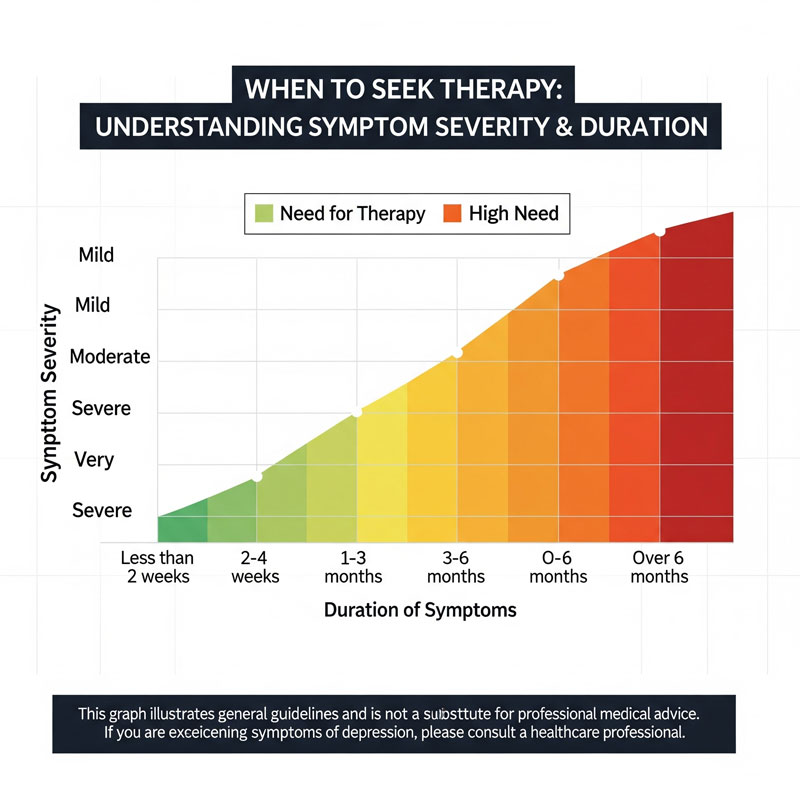
You may need therapy for depression if your symptoms—such as persistent sadness, loss of interest, fatigue, or changes in sleep and appetite—last longer than two weeks, interfere with daily life, or feel overwhelming. A licensed therapist can provide evidence-based strategies to help you manage symptoms and improve your quality of life.
Understanding Depression
Depression is more than feeling sad for a few days. It’s a clinical condition that can impact your mood, motivation, relationships, and even physical health. According to the National Institute of Mental Health, about 1 in 6 adults will experience depression at some point in their lives.
If you’re asking yourself “How do I know if I need therapy for depression?”, you’ve already taken the first important step: recognizing that something feels off and seeking support.
Common Signs That You May Need Therapy
While depression affects everyone differently, there are common symptoms that may signal it’s time to seek help:
- Persistent sadness or emptiness lasting most of the day
- Loss of interest in activities you once enjoyed
- Changes in sleep—either insomnia or sleeping too much
- Low energy or fatigue, even after rest
- Difficulty concentrating or making decisions
- Appetite changes (eating too much or too little)
- Feelings of worthlessness or guilt
- Thoughts of self-harm or suicide
If you experience suicidal thoughts, please call 988 in the U.S. for immediate help.
Even if your symptoms feel “mild,” therapy can provide tools to prevent them from worsening.
When to Consider Professional Help
So, how do I know if I need therapy for depression? Ask yourself these questions:
- Are my symptoms interfering with work, school, or relationships?
- Have lifestyle changes (exercise, sleep, social support) failed to improve how I feel?
- Do I feel hopeless or helpless most days?
- Have my symptoms persisted for more than two weeks?
- Do I avoid daily responsibilities because I feel too overwhelmed?
If you answered “yes” to two or more, therapy may be the next step.

Therapy Options for Depression
Different types of therapy have been shown to effectively treat depression. A therapist in New Haven, CT (or in your local area) may recommend:
Cognitive-Behavioral Therapy (CBT)
- Helps identify negative thought patterns
- Teaches practical skills to reframe thoughts and behaviors
Mindfulness-Based Therapy
- Encourages nonjudgmental awareness of emotions
- Uses meditation and grounding to reduce rumination
Psychodynamic Therapy
- Explores unconscious thoughts and past experiences
- Helps understand the root causes of depression
Group Therapy
- Offers community and support
- Provides shared coping strategies
Self-Check Table: Do I Need Therapy for Depression?
| Symptom | Frequency | Impact on Daily Life | Consider Therapy? |
|---|---|---|---|
| Persistent sadness | Most days | Prevents focus at work | ✅ Yes |
| Loss of interest | Daily | Avoiding social events | ✅ Yes |
| Sleep problems | Frequent | Fatigue, irritability | ✅ Yes |
| Low motivation | Constant | Struggling with basic tasks | ✅ Yes |
This table is not a diagnosis, but a tool to help you reflect on whether therapy could benefit you.
Benefits of Therapy for Depression
Working with a licensed psychologist can:
- Provide coping skills tailored to your needs
- Offer a safe, supportive environment
- Reduce symptoms like sadness, fatigue, and negative thoughts
- Improve relationships and communication
- Enhance overall well-being and life satisfaction
Therapy is not only about “treating symptoms” but also about helping you build resilience for the future.
Therapy vs. Other Supports
Sometimes people wonder whether they should try therapy, medication, or both. Here’s a breakdown:
- Therapy only → Best for mild to moderate depression
- Medication only → Helpful for moderate to severe depression
- Combination → Often the most effective for long-term recovery
Always consult with a healthcare professional before making decisions about medication.

Local Perspective: Finding a Therapist in New Haven, CT
If you live in New Haven, you have access to evidence-based therapy through providers who specialize in depression. For example, many Yale-affiliated psychologists integrate cutting-edge research with compassionate care.
At Corey Roos, PhD, therapy is personalized to your unique needs, drawing from CBT, mindfulness, and psychodynamic approaches. You can schedule a confidential appointment here.
FAQs: How Do I Know If I Need Therapy for Depression?
Can depression go away on its own?
Sometimes mild depression improves, but professional support increases the chances of recovery and prevents relapse.
Can therapy help even if my depression feels mild?
Yes. Early intervention can prevent symptoms from worsening and teach coping strategies that improve daily functioning and emotional well-being.
What if I’m not ready to talk about everything?
That’s okay—therapy moves at your pace. A good therapist creates a safe, supportive space.
Where is a good place to start looking for a therapist?
A reliable starting point is Psychology Today’s Therapist Directory. You can search by location, specialty, and insurance to find licensed therapists in New Haven, CT, and compare profiles to see which provider might be the best fit for your needs.
Final Thoughts
If you’ve been wondering “How do I know if I need therapy for depression?”, remember that seeking help is a sign of strength, not weakness. Therapy can help you regain balance, rediscover joy, and build resilience for the future.